|
| Incidents |
| Jan 2026 | 122 |
| Feb 2026 | 103 |
| Mar 2026 | 102 |
| Apr 2026 | 99 |
| May 2026 | 132 |
| Jun 2026 | 134 |
| Jul 2026 | 188 |
| Aug 2026 | 159 |
| Sep 2026 | 154 |
| Oct 2025 | 143 |
| Nov 2025 | 104 |
| Dec 2025 | 126 |
| Total | 1566 |
| Web Counters |
Website Visitors
Since
May 2, 2007
|
Visitors Today
Oct 28, 2026
|
|
|
|
|
|
|
|
|
|
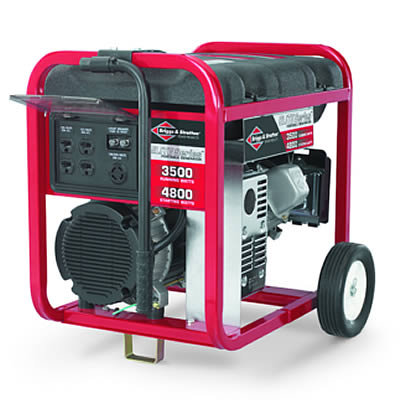
Portable Generators
Portable generators are useful during power outages. However, many homeowners are unaware that the improper use of portable generators can be risky. The most common dangers associated with portable generators are carbon monoxide (CO) poisoning, electrical shock or electrocution, and fire hazards.
Safety tips:
-
- Generators should be operated in well ventilated locations outdoors at least 20 feet away from all doors, windows and vent openings.
- The generator should be located so that exhaust fumes cannot enter the home through windows, doors or other building openings.
- Install battery-operated CO alarms or plug-in CO alarms with a battery back-up in your home according to the manufacturer’s installations instructions. Should CO enter your home and pose a risk, an alarm will sound to warn you.
- Do not refuel the generator while it is running. Turn the generator off and let it cool down before refueling.
- Never store fuel for your generator in your home. Gasoline and other flammable liquids should be stored outside of living areas in properly-labeled safety containers. They should be stored away from any fuel-burning appliance such as a gas hot water heater.
- Plug appliances directly into the generator or use a heavy duty outdoor-rated extension cord. Make sure the cord is free of cuts or tears and that the plug has all three prongs, especially a grounding pin. Do not try to power the house wiring by plugging the generator into a wall outlet.
- If you must connect the generator to the house wiring to power appliances, have a qualified electrician install a properly rated transfer switch in accordance with the National Electrical Code® (NEC) and all applicable state and local electrical codes.
|
|
|


